
Summer Sleep Tips 2026: Why Your AC Needs a Humidifier for Air Conditioning Dryness
The Summer Paradox: Why You’re Waking Up Thirsty in July
Imagine you’re a raisin. Not exactly the peak of human performance, right? Yet, every summer, millions of us spend eight hours a night turning into one. We crank the air conditioning to 68 degrees, bury ourselves under a heavy duvet, and wonder why we wake up with a throat like a desert and skin that feels two sizes too small. It’s a biological miscalculation we make in the name of comfort. This is the central challenge of modern seasonal wellness: managing the microclimate of our bedrooms. In the search for summer sleep tips 2026, one realization stands above the rest: temperature is only half the battle. The other half is hydration. When we neglect the humidity levels in our sleeping environment, we aren't just losing comfort; we are losing the biological efficiency required for deep, restorative sleep.
You see, your air conditioner is a moisture thief. It doesn't just cool the air; it dehumidifies it by condensing moisture out of the air as it passes over the cooling coils. By the time your room hits that 'perfect' sleeping temperature, the humidity has likely plummeted below 30%. For context, the Sahara Desert averages about 25% relative humidity. You aren't sleeping in a bedroom; you’re sleeping in a high-tech canyon, and your body is paying the price for that lack of atmospheric balance. This leads to what sleep scientists call 'micro-climate dehydration,' where your body loses fluids to the air even while you are sedentary. For a deeper look at this phenomenon, read The Saharan Bedroom: Why Your Sleep Environment is a Biological Miscalculation. Without intervention, this cycle leads to chronic morning fatigue, regardless of how many hours of shut-eye you actually managed to get.
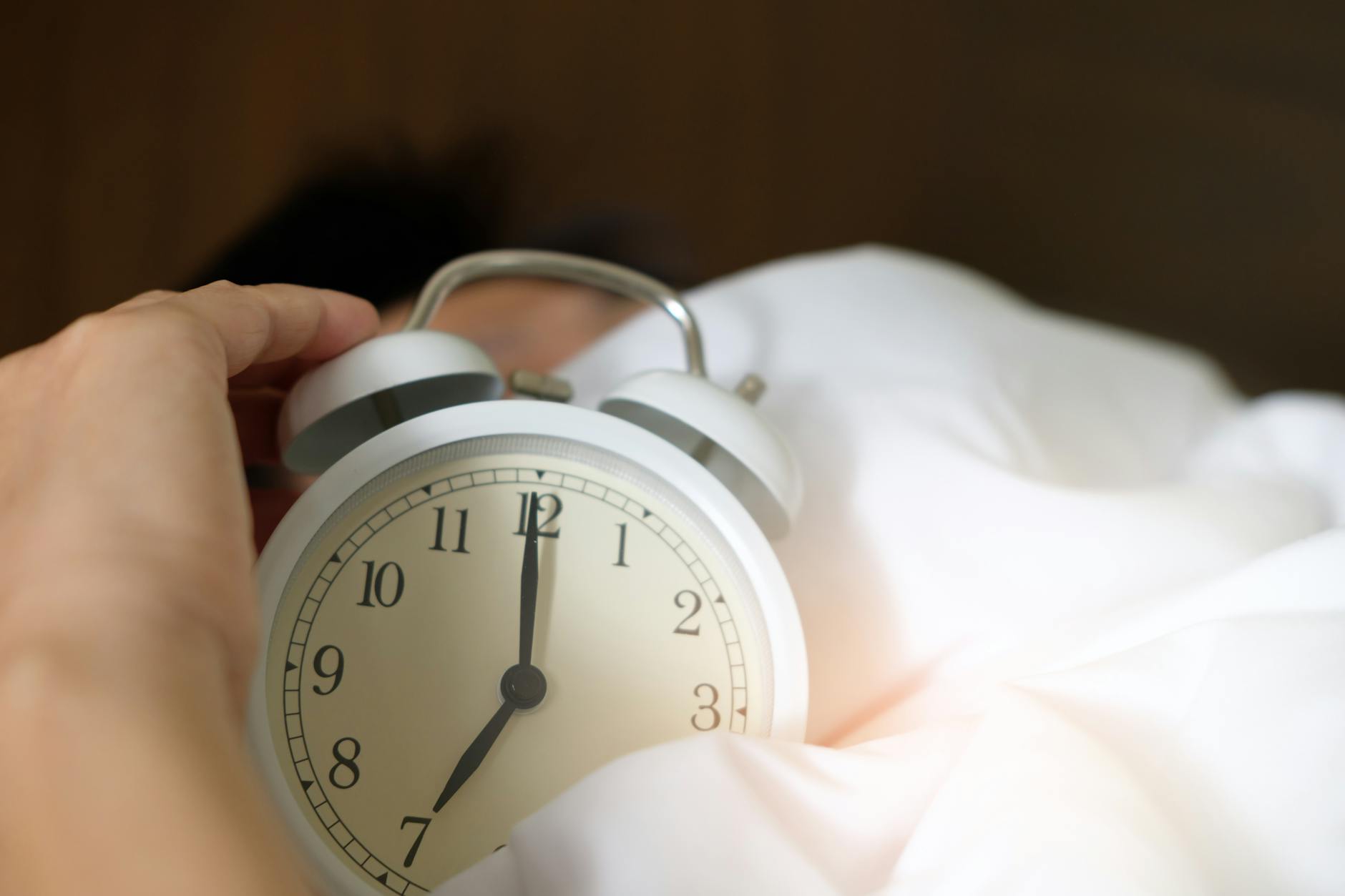
The Physics and Biology of Dry Sleep
When you breathe in air that is too dry, your body has to work overtime to moisten it before it reaches your lungs. This process aggressively dries out your mucous membranes—the thin, protective layer of tissue that lines your respiratory tract. This is why you wake up congested or with a 'scratchy' throat despite not being sick. It’s also why your skin looks like a topographical map of the badlands by 7:00 AM. I’ve personally spent years trying every 'night cream' on the market, only to realize the problem wasn't my skin—it was the air I was forcing my skin to live in for a third of my life. In 2026, the focus has shifted from topical treatments to environmental management.
This is where the summer sleep tips 2026 movement comes in. We’re moving away from 'just making it cold' toward creating a 'moisture-balanced sanctuary.' It’s about the intersection of temperature and humidity. According to recent sleep science, the ideal relative humidity for human recovery is between 40% and 60%. Most AC-cooled rooms barely scrape past 25%, leading to disrupted REM cycles and morning grogginess. When the air is too dry, your body’s cooling system (sweating) becomes less efficient, and your respiratory system becomes irritated, triggering micro-arousals that prevent you from reaching the deepest stages of sleep. These arousals are often so brief you don't remember them, but they fragment your sleep architecture, leaving you exhausted.
The Solution: The AC + Humidifier Partnership
Think of your AC and your humidifier as a world-class doubles team. The AC handles the heat; the humidifier handles the hydration. Without the humidifier, the AC is just a ball hog that ruins the game. To get the best rest of your life, you need to supplement the moisture that your cooling system is aggressively removing. This is a non-negotiable for anyone looking to optimize their recovery and cognitive performance. This partnership is the ultimate answer to humidifier for air conditioning dryness concerns. By restoring the moisture stolen by the cooling coils, you allow your respiratory system to relax, which in turn signals to your nervous system that the environment is safe and hospitable for deep rest.
For most of us, a 2.5L Quiet Humidifier is the 'Goldilocks' solution. It’s big enough to last through the night but small enough that it doesn't look like an industrial vat in your bedroom. This specific size offers the perfect balance of mist output and physical footprint, ensuring your nightstand remains uncluttered while your air remains breathable. When considering 2.5L quiet humidifier benefits, the primary advantage is the lack of noise disruption, allowing for an uninterrupted transition between sleep cycles while maintaining constant moisture levels. For a comparison on sizing, you might find 5L Tower Humidifier vs 2L Cool Mist: The 2026 Logic of Sleep helpful.

Why Size and Design Matter for Large Bedrooms
One of the most common mistakes people make is under-specifying their moisture needs. If you have a large master suite, a small desk humidifier is like trying to put out a forest fire with a water pistol. You’ll find yourself refilling it at 3:00 AM, which—let’s be honest—is the absolute last thing you want to do when you're trying to optimize your sleep cycles. This leads to broken sleep and frustrated mornings. For those with larger spaces, finding a 5L tower humidifier for bedroom use is often recommended to ensure the mist is distributed at the correct height and covers the entire square footage.
The tower design is a clever bit of engineering because it releases the mist higher in the air. This allows the moisture to evaporate and distribute evenly before it hits the floor, preventing damp spots on your carpet or hardwood. If you need something with high output that still fits a modern aesthetic, the 1500ml Triple Spray Humidifier offers a unique way to disperse moisture across multiple angles, which is vital for larger rooms where air stagnation can occur. It’s a simple change that makes a massive difference in how effectively the room is humidified without requiring industrial equipment.
The Hidden Impact: Skin Health and Anti-Aging Benefits
We often think of humidifiers as a respiratory aid, but in the context of 2026 wellness, they are equally a beauty tool. When you sleep in a room with 20% humidity, your skin loses water to the air through a process called Transepidermal Water Loss (TEWL). Over time, this leads to the breakdown of the skin barrier, accentuating fine lines and making your complexion look dull. By maintaining a 50% humidity level, you are effectively providing a hydration mask for your face all night long. This is why many dermatologists now list a humidifier as the first step in a nighttime anti-aging routine.
For those focused on a comprehensive beauty sleep routine, using a 2L Cool Mist Ultra Quiet Humidifier ensures that you wake up with plump, hydrated skin. This is the 'secret weapon' that many skincare influencers don't talk about—it’s not just the products you put on your face; it’s the environment those products are working in. If you are struggling with redness or irritation, check out Does a Humidifier Help With Dry Eyes? to see how humidity affects overall facial comfort and ocular health. Proper air hydration prevents the formation of 'sleep wrinkles'—the lines caused by skin being pressed against pillows while dehydrated and inelastic.
Small Habits, Big Rest: Creating Your 2026 Sanctuary
Better sleep isn't about one big change; it’s about a collection of small, smart choices. In my experience, a 'set and forget' mentality is the only way to make health habits stick. You don't want to have to think about air quality every night. You just want the air to be good. This requires a bit of upfront planning to ensure your bedroom is a fortress of restoration. Humidity control is just one pillar of the clean air and allergen-free environment you need to truly thrive in a modern world.
Here is the recommended 'Summer Nights' setup for 2026:
- Optimize the Temperature: Set your AC to 67-69°F for optimal REM cycles. Your body temperature needs to drop about 2 degrees to initiate sleep.
- Engage a High-Efficiency Humidifier: Use a model with an auto-shutoff and a silent motor to avoid sleep disruption. The 1.5L Rechargeable Humidifier is perfect for those who want a cable-free nightstand.
- Control the Light: Since it stays light longer in the summer, use a 3D Sleep Mask to signal to your brain that it’s time to produce melatonin. This specific contoured design prevents pressure on your eyes, which is vital for maintaining REM quality.
- Hydrate From Within: Drink water before bed, but let the humidifier prevent the external moisture loss that leads to morning thirst and dry eyes.

The 'Quiet' Factor: Why Decibels Matter for Deep Sleep
If you're a light sleeper, the sound of a humidifier can be the difference between a deep slumber and staring at the ceiling for four hours. This is why 2.5L quiet humidifier benefits are so frequently discussed in sleep forums. You want something that operates under 25-30 decibels—basically the sound of a whisper. Most people are sensitive to mechanical 'whirring' or the sound of water gurgling. High-end ultrasonic humidifiers use high-frequency vibrations to create mist, which is naturally quieter than the fans found in older evaporative models. This silence allows your brain to descend into the deeper 'delta' wave sleep without being jerked back to consciousness by a noisy motor.
For those who need absolute silence, the 3L Humidifier Diffuser offers silent operation and essential oil compatibility. This allows you to combine hydration with aromatherapy (like lavender or chamomile), creating a multi-sensory sleep signal that tells your brain it's time to shut down. This is part of the '2026 logic'—integrating multiple wellness functions into a single, low-noise device that simplifies your nightly routine while maximizing biological benefits.
Why 'Summer Dryness' is Often Worse Than Winter Dryness
This is a contrarian take, but bear with me. In the winter, you expect the air to be dry. You see the snow, you feel the cold, and you intuitively reach for the humidifier. But in the summer, we see the humidity outside—the thick, oppressive air of a July afternoon—and we assume our indoor air is the same. This is a dangerous assumption that leads to summer-long respiratory fatigue. The second you step inside and close the windows, you are in a controlled environment. The AC is stripping that humidity away at a rate far more aggressive than your winter furnace ever could because it runs constantly during heatwaves, whereas furnaces cycle on and off more predictably.
This 'hidden' dryness is why summer allergies often feel worse and why 'summer colds' seem to linger for weeks. Your respiratory system is brittle from lack of moisture. To combat this, I recommend the 2L Dual Spray Humidifier for its consistent output and digital monitoring. Having a dual-nozzle system ensures that even when the AC is on its highest setting, your room stays within the healthy 40-60% range. It’s about building a fortress of moisture against the relentless dehumidification of modern summer cooling systems. This proactive approach prevents the 'cracked lip' syndrome that many associate solely with winter weather.
Travel and Summer Vacations: Don't Leave Your Sleep Behind
The problem of air conditioning dryness isn't limited to your home. Hotels are notorious for having industrial-strength AC units that can drop humidity into the teens in a matter of minutes. Taking your sleep routine on the road is essential for maintaining your energy during travel. A 1.5L Wireless Humidifier & Aroma Diffuser is the perfect travel companion. It’s compact, battery-operated, and ensures that you can bring your 'moisture-balanced sanctuary' with you, whether you’re in a boutique hotel or a guest room. Maintaining environmental consistency is one of the most effective ways to beat jet lag and travel-induced fatigue.
The Habit of Maintenance: Keeping it Clean
Good health is just the byproduct of good systems. If your humidifier is hard to clean, you won't use it regularly. That’s why I always look for top-fill designs that allow you to reach every corner of the tank. The 1.5L Rechargeable Humidifier is a great example of a low-friction device. You can fill it once, place it anywhere, and it just works. Remember to clean your unit weekly with white vinegar to keep mineral buildup at bay and ensure you aren't misting old bacteria into your space. In 2026, we don't just want hydration; we want clean, pure, optimized air that supports our long-term health.
FAQ
Does a humidifier make the room feel hotter in summer?
If you use a warm-mist humidifier, yes, it can slightly increase the perceived temperature. However, using a cool-mist ultrasonic humidifier has a negligible effect on temperature. Many people actually find that slightly more humid air feels more comfortable at a slightly higher temperature, allowing them to save money on their AC bill while maintaining total comfort.
Where is the best place to put a humidifier in a bedroom?
Place it 3 to 6 feet away from your bed on an elevated surface like a nightstand or dresser. This allows the mist to travel and dissipate through the air before it reaches you, ensuring optimal inhalation without making your bedding feel damp or causing condensation on the walls.
Can I use tap water in my humidifier?
You can, but it may lead to mineral buildup or 'white dust' if you live in a hard-water area. Using distilled or filtered water is recommended for the longevity of your device and the cleanliness of your air. Many modern units have built-in filters to help mitigate this, but distilled remains the gold standard.
How long should I run my humidifier during the summer?
Ideally, it should run as long as your air conditioner is active. Most models feature an auto-shutoff when they run out of water, making it safe to leave them running through the night for consistent humidity control while you sleep.
What is the ideal humidity level for sleeping?
The sweet spot for human health and sleep quality is between 40% and 60% relative humidity. Anything lower can dry out your respiratory system; anything higher can encourage mold growth and dust mites. Aiming for 50% is generally considered perfect for most people.
The Final Word: Sleep is the Foundation
You can have the best diet and the perfect workout routine, but if your sleep environment is sabotaging your recovery, you're playing the game of life on hard mode. The 2026 approach to summer is simple: keep it cool, but keep it moist. Don't let your air conditioner turn your bedroom into a desert. Grab a quality humidifier, set it to a medium mist, and wake up feeling like a human being instead of a piece of dried fruit. Your skin, your lungs, and your brain will thank you for the investment in atmospheric balance.