
The Invisible Thief: Why Dry Air Steals Skin Hydration and Sleep Quality
Most of us wake up feeling like a piece of over-toasted sourdough. You know the feeling: your throat is scratchy, your eyes are slightly glued shut, and your skin feels two sizes too small for your face. You probably blame the late-night Netflix binge or the extra shot of espresso you had at 4 PM. But the real culprit is usually something you can't even see. It’s the air. The invisible thief of skin hydration and restorative rest is active in almost every modern home, yet it remains the most overlooked variable in the wellness equation.
The reality is that your bedroom is likely a biological miscalculation. During the winter, or if you live in a climate where the AC runs 24/7, the humidity in your room can drop below 20%. To put that in perspective, the Sahara Desert averages about 25%. You are literally sleeping in a climate drier than a desert, and your body is paying the price in real-time. This lack of atmospheric moisture creates a physiological stressor that keeps your body from truly recovering. Without proper bedroom moisture, your body enters a defensive state rather than a restorative one.

The Science of the 'Thirsty' Room: Transepidermal Water Loss
Nature loves balance. If the air in your room is dry, it will look for moisture anywhere it can find it. Usually, that means it’s pulling water directly out of your mucous membranes and your skin. Scientists call this Transepidermal Water Loss (TEWL), but it is more accurately described as 'The Invisible Thief.' While you’re dreaming about winning an Oscar, the air is busy robbing you of your hydration. This process is governed by the laws of osmosis: moisture moves from areas of high concentration (your skin) to low concentration (the dry bedroom air).
When you lose moisture through your skin overnight, your skin's barrier function weakens. This is why you wake up with redness or fine lines that weren't there when you went to bed. This damage is cumulative. Over time, chronic TEWL leads to the degradation of the acid mantle—your skin’s primary defense against environmental pollutants and bacteria. By integrating a 1.5L Rechargeable Humidifier into your nightly routine, you effectively 'cancel out' the osmotic pressure, allowing your skin to retain its natural oils and water content.
Skincare Chemistry: Why Your Hyaluronic Acid Might Be Backfiring
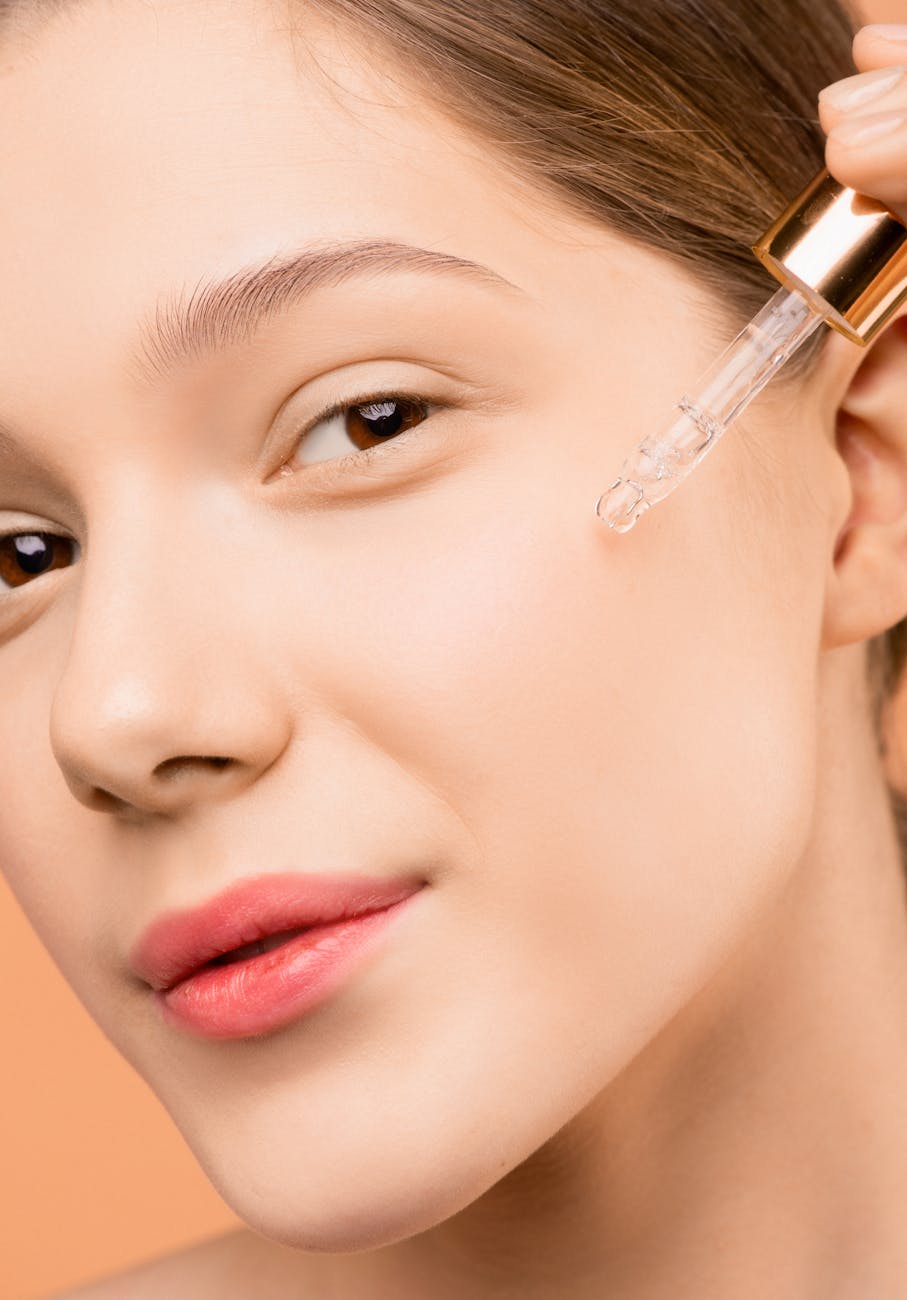
You can apply the most expensive hyaluronic acid serum on the market, but if the air is dry, that serum can actually backfire. Hyaluronic acid is a humectant; it pulls moisture from its environment. If there’s no moisture in the air, it pulls it from the deeper layers of your skin (the dermis) toward the surface (the epidermis), where it then evaporates into the room. You’re essentially dehydrating yourself from the inside out. This paradox is one of the most common reasons people see 'no results' from their high-end skincare. To protect your investment, you must provide the atmosphere with a sacrificial source of water vapor.
"If your bedroom air is dry, your skincare routine isn't an investment—it's a donation to the atmosphere."
The Circadian Rhythm of Skin Repair
Your skin doesn't just sit there while you sleep; it goes into overdrive. Nighttime is when the skin focuses on cell mitosis and collagen production. The peak of this activity usually occurs between 11 PM and 4 AM. However, these biochemical processes require a hydrated environment. When the air is dry, the skin’s enzyme activity slows down significantly. This disrupts the natural desquamation (exfoliation) process, leading to a buildup of dead skin cells and a dull, greyish complexion in the morning. By maintaining humidifier skin health through controlled vapor, you allow your body's natural repair mechanisms to work at peak efficiency.
Furthermore, research suggests that the skin's permeability is higher at night. This means that while it is more receptive to beneficial ingredients in your night creams, it is also more vulnerable to water loss. Without adequate moisture, the restorative work of the previous evening is essentially undone by dawn. Using a device like the 2L Dual Spray Humidifier ensures that the air is saturated enough to keep the 'gateways' of your skin hydrated and functional throughout the entire repair cycle.
Why Your Sleep Quality Flatlines in Dry Air
It’s not just about vanity. Low humidity is a direct assault on your sleep architecture. When your nasal passages dry out, your body has to work harder to breathe. The cilia (tiny hairs) in your nose, which are responsible for filtering out allergens and pathogens, become sluggish and flattened when they are dry. This often leads to mouth breathing, which causes the tissues in the throat to vibrate—the root cause of most snoring. It’s a vicious cycle that prevents you from reaching the deep, restorative stages of REM sleep.
For more on this, check out our related reading on The Desert in Your Bedroom: How Humidity and Health Impact REM Sleep. Understanding the physics of your room is the first step to fixing your rest. Dryness can also exacerbate ocular discomfort, making it feel as though you have sand in your eyes. For those suffering from this, we've explored the connection in Does a Humidifier Help With Dry Eyes? The Science-Backed Answer. Ensuring a baseline of dry air sleep comfort is the lowest-hanging fruit in the quest for better health.
Nasal Resistance and the Snoring Cycle
When the nasal mucosa becomes inflamed due to dryness, the airway narrows. This increase in nasal resistance forces the body to exert more effort to pull oxygen into the lungs. This subtle struggle keeps the nervous system in a state of 'mild alert,' preventing the transition from light sleep to deep sleep. This is why you can sleep for eight hours and still wake up feeling exhausted. You were breathing, but you weren't resting. A humidifier acts as a lubricant for your entire respiratory system, reducing the friction of every breath you take.
The Physics of Relative Humidity: Why 50% Matters
You might think, "Okay, I’ll just turn my room into a tropical rainforest." Hold on there. Too much moisture is just as bad as too little. High humidity (above 60%) is an open invitation for mold, mildew, and dust mites to move in and start a colony. This is why The Mayo Clinic suggests keeping your indoor humidity between 30% and 50%. This 'Goldilocks zone' is where human biology thrives while pathogens struggle to survive.
Relative humidity is a measure of how much water vapor the air is holding compared to the maximum it *could* hold at that specific temperature. Warm air holds more water than cold air. This is why winter air feels so dry; even if it's snowing outside, that cold air can't hold much moisture. When you pump that air into your home and heat it up, the relative humidity drops through the floor. Managing this requires consistent input, such as using a 3L Humidifier Diffuser, which can run for extended periods to stabilize the environment regardless of the outdoor temperature.
Skin Types and the Humidity Factor
Dry air affects different skin types in unique ways. If you have naturally dry skin, low humidity will cause flaking, itching, and heightened sensitivity. If you have oily skin, you might think you're safe, but the opposite is true. When oily skin becomes dehydrated, it often overcompensates by producing *more* sebum to protect the barrier. This can lead to "dehydrated oily skin," where you have breakouts and greasiness on the surface but feel tight and parched underneath. Beauty sleep requires a balanced sebum-to-water ratio that only proper humidity can provide. Even those with 'normal' skin will find that their skin texture becomes more refined and their pores appear smaller when the air is consistently moist.
Respiratory Resilience: Why Humidity Matters for Immunity
One of the most overlooked benefits of consistent humidity is its impact on the immune system. When the air is dry, the protective mucus lining of the respiratory tract becomes thin and less effective at trapping viruses and bacteria. Think of this mucus as a flypaper for germs; when it dries out, the paper loses its stickiness, and the germs fly right into your lungs. This is one reason why flu and cold seasons correlate so strongly with dry winter air. By maintaining dry air sleep comfort, you are essentially strengthening your first line of defense against illness.
In addition to physical health, the psychological impact of a well-humidified room cannot be ignored. The sound of a quiet humidifier can act as white noise, masking disruptive household sounds and helping you maintain a deeper state of relaxation. This is why many sleep experts recommend devices like the 2L Cool Mist Ultra Quiet Humidifier for those who are sensitive to noise and light.

Actionable Steps for Better Beauty Sleep
How do we actually fix this? Here is a simple framework for optimizing your bedroom moisture and skin hydration:
- Seal the leaks: Your skin is a porous barrier. Before bed, use an occlusive moisturizer (like a facial oil or a thick cream) to "trap" moisture in. It's like putting a lid on a pot of boiling water.
- Deploy a bedside ally: Place a humidifier within 3-5 feet of your head. You don't need to humidify the whole house; you just need to humidify your personal breathing zone. A high-quality unit will provide a steady stream of mist without soaking your linens.
- Aromatherapy Integration: Use your humidifier as a wellness tool. Adding essential oils like lavender or chamomile can lower cortisol levels and signal to your brain that it's time to power down for the night.
- Manage the light: Part of a tranquil environment is darkness. If you use a humidifier with an LED display, pair your moisture routine with a 3D Sleep Mask to ensure total blackout, which is essential for melatonin production.
Common Misconceptions About Bedroom Moisture
A common mistake people make is thinking that a bowl of water on the radiator is enough. The evaporation rate of a still bowl of water is almost negligible compared to the cubic volume of a bedroom. To actually change the humidity of a room, you need to actively disperse water into the air—either through ultrasonic vibration or evaporation. For more on optimizing your environment, see The Saharan Bedroom: Why Your Sleep Environment is a Biological Miscalculation.
Another myth? That you only need a humidifier when you're sick. While moisture helps when you have a cold, using a humidifier year-round is a preventative habit. It keeps your skin barrier strong and your respiratory system resilient. Most people wait until the car breaks down to change the oil; don't do that with your body. For a deep dive into technology, check out Carepod vs Dyson Humidifier: Which One Is Better for Clean Air & Sleep?.
Maintaining the Microbiome of Mist: A Cleaning Guide
While the benefits are clear, we must address the "maintenance tax." A humidifier is a water-based machine, and water can be a breeding ground for bacteria if neglected. If you use tap water, you might notice a white dust on your furniture. This is caused by minerals in the water being aerosolized. To learn how to manage this, read The Real Reason Your Humidifier Leaves White Dust.
Cleaning your device is non-negotiable. Modern designs like the 1500ml Triple Spray Humidifier make this easier with accessible tanks and simple components. We recommend a simple three-step process: rinse daily, deep clean weekly with white vinegar to kill any biofilm, and always use distilled water if you have high mineral content in your local supply. This ensures the air you breathe is as clean as it is moist.
FAQ
Can a humidifier replace my nighttime moisturizer?
No, they work as a team. The humidifier prevents the air from stealing moisture from your skin, while your moisturizer provides the raw materials your skin needs to repair itself. Think of the humidifier as the defense and the moisturizer as the offense in your skin hydration strategy.
How often should I clean my humidifier?
Give it a quick rinse every few days and a deep clean with vinegar once a week. This prevents the growth of bio-films that can release allergens into your sleeping space. Clean air is just as important as moist air for high-quality sleep.
Does humidity help with under-eye bags?
Indirectly, yes. Many under-eye issues are caused by thin, dehydrated skin that makes blood vessels underneath more visible. By maintaining proper beauty sleep humidity, you keep that delicate skin plump, which can minimize the appearance of dark circles and puffiness.
Will a humidifier make my room feel too hot?
Not if you use a cool-mist version. Ultrasonic humidifiers use high-frequency vibrations to create a room-temperature mist that does not raise the temperature of the room. This makes them ideal for summer use when the AC is drying out the air.
Is it safe to run a humidifier all night?
Absolutely, provided it has an auto-shutoff feature. Most modern devices will turn off automatically once the water level is low, allowing you to maintain a consistent 40-50% humidity level throughout your entire sleep cycle without worry.
Can dry air cause morning headaches?
Yes. Dry air can cause sinus pressure and congestion, which frequently leads to "sinus headaches" upon waking. Proper bedroom moisture keeps these passages clear and comfortable, allowing for better oxygen flow and less morning brain fog.
The Bottom Line
We spend a third of our lives in bed. We obsess over thread counts and mattress firmness, yet we ignore the very air we are pulling into our bodies 15,000 times a night. If you want better skin and deeper sleep, stop fighting the air. Start working with it. Add a little moisture back into the equation and watch how much easier it is to wake up feeling like a human being instead of a piece of dry toast. Your skin hydration and mental clarity depend on the environment you create in those eight hours of darkness.
Ready to upgrade your air quality? Explore our collection of whisper-quiet humidifiers designed specifically for deep sleepers and those looking to improve their skin health overnight. By investing in your environment, you are investing in the very foundation of your long-term health and beauty.