
The Nighttime Routine: Why Your Bedtime Ritual is the Highest ROI Habit You Own
The 10 PM Competitive Advantage
Most people treat sleep like a forgotten chore at the end of a long list. We wait until our eyes are stinging and our brains are fried, then we collapse into bed and wonder why we wake up feeling like we’ve been hit by a truck. Here is a hard truth: Your morning routine doesn’t start when your alarm goes off at 6:00 AM. It starts at 9:00 PM the night before. This transition period is the most undervalued window in the modern productivity landscape. If you are an entrepreneur, an athlete, or a high-performer, your ability to recover is your actual edge. Without a dedicated nighttime routine, you are essentially trying to build a skyscraper on a foundation of wet sand.
Think of your brain like a high-performance laptop. If you have forty-seven browser tabs open, seventeen apps running in the background, and the processor is running at 100 degrees, you can't just slam the lid shut and expect it to be ready for a complex presentation the next morning. It needs to cool down. It needs to sync. It needs a proper shutdown sequence. That is what a nighttime routine actually is—it is your biological shutdown sequence. This process involves the gradual suppression of cortisol (the stress hormone) and the upregulation of melatonin (the sleep hormone). Without it, you are forcing your system to crash rather than hibernate, which leads to fragmented REM cycles and a feeling of 'brain fog' that no amount of caffeine can fully fix. Research shows that cognitive performance after a night of poor sleep is equivalent to being legally intoxicated. This is why your wellness habits should prioritize the evening just as much as the morning.
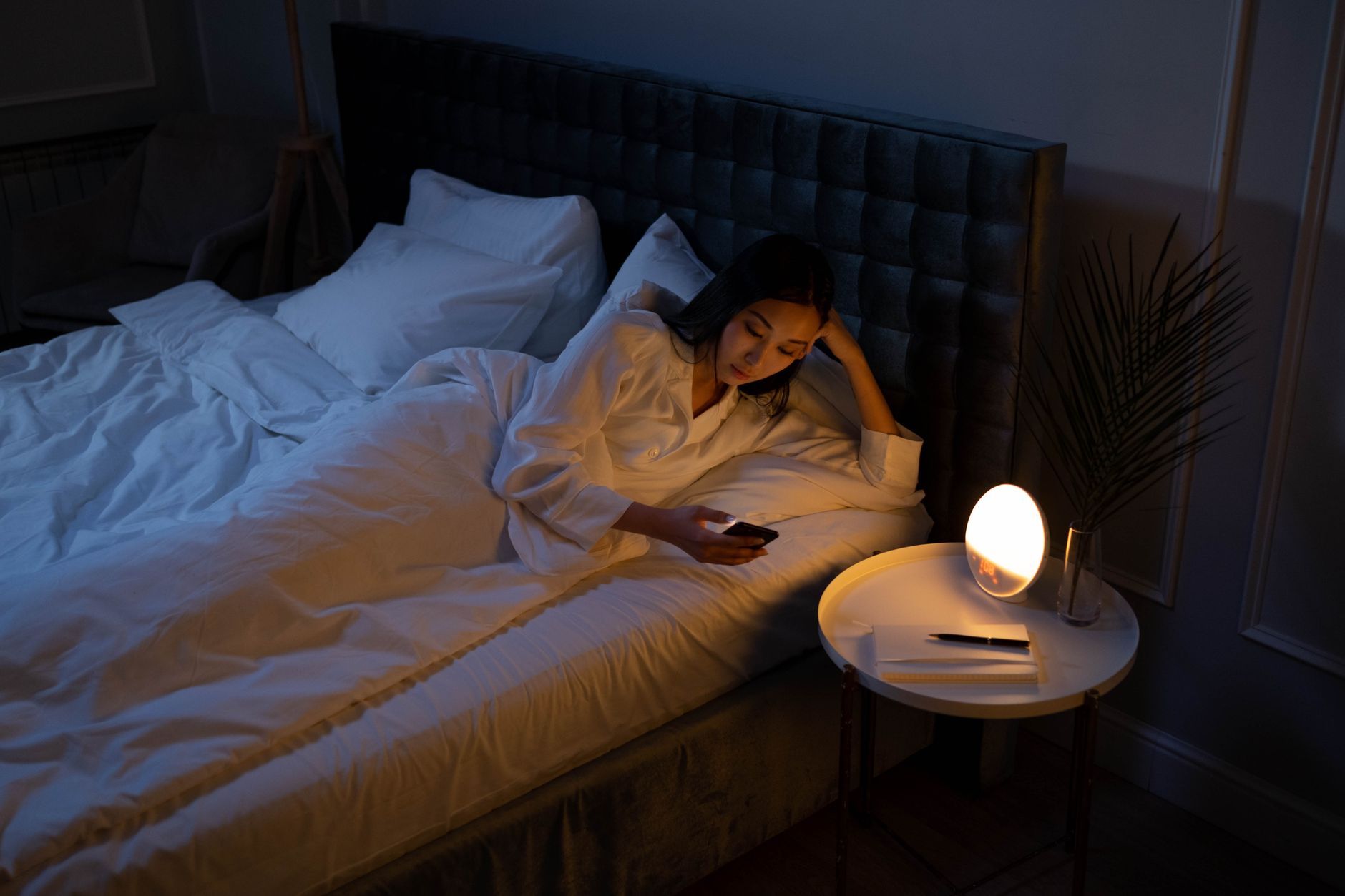
The Saharan Error: Why Your Air is Killing Your REM
You spend a third of your life in your bedroom. Yet, for most of us, that room is a biological disaster zone. In the winter, indoor heating strips the air of every last drop of moisture. You are essentially trying to sleep in a climate that mimics the Sahara Desert, and your body reacts accordingly. Your nasal passages dry out, your throat gets scratchy, and your skin begins to feel like old parchment. This isn't just a comfort issue; it’s a physiological performance bottleneck. When your air is too dry, your body enters a state of low-level systemic stress. You may not wake up fully, but your brain stays in a lighter stage of sleep to monitor your irritated respiratory tract.
When your respiratory system is fighting dry air, your heart rate stays slightly higher to compensate for the irritation. Your body cannot fully transition into those deep, restorative stages of sleep because it’s busy dealing with the friction of every breath. This is where holistic sleep moves from a 'nice-to-have' to a physiological necessity. You need to fix the environment before you can expect the biology to follow suit. Adding moisture to the air allows for effortless nose-breathing, which is critical for oxygen absorption and heart rate variability (HRV) optimization. High HRV is the gold standard for recovery, and it is nearly impossible to achieve if you are struggling for breath in a dry room.
For those managing a standard-sized bedroom, the 2.5L Quiet Humidifier | 5 Mist Levels, 3 Nozzles is an ideal environmental anchor. It provides enough capacity to maintain the 'Goldilocks zone' of humidity (40-60%) for the entire night without requiring a refill. It’s like giving your lungs a glass of water while you sleep. By optimizing this single variable, you allow your body to dedicate its energy to cellular repair rather than moisture conservation.
The Biological Cost of Mouth Breathing
When the air is too dry, your nose naturally congests as a defense mechanism, forcing you to breathe through your mouth. Mouth breathing during sleep is linked to increased snoring, lower blood oxygen levels, and a higher likelihood of waking up during the night. The nose acts as a sophisticated filtration and humidification system; when you bypass it, you inhale unfiltered, cold, dry air directly into your lungs. By maintaining proper humidity, you ensure your primary filtration system remains functional. This simple shift in your wellness habits can be the difference between waking up refreshed and waking up with a headache or a dry, cotton-mouth feeling.
The Geometry of Darkness: Beyond the Blinds
You’ve heard it before: 'Make your room dark.' But here is the problem—most of us have 'leaky' rooms. There is a sliver of light from the streetlamp outside, a tiny red LED on the television, or the phantom glow of a phone charger. These tiny photons hit your eyelids and signal the pineal gland, effectively telling your brain, 'The sun might be coming up.' Even small amounts of light can suppress melatonin production, keeping you in a state of 'yellow alert' rather than deep slumber. This is particularly problematic for REM sleep, which is when your brain processes emotions and consolidates memory.
I used to use those cheap, flat sleep masks. They crush your eyelashes and put pressure on your eyeballs, which creates a subtle 'flight or fight' response in the nervous system. The solution is 3D contouring. You want a mask that acts like a blackout curtain for your eyes without actually touching them. The 3D Sleep Mask — Contoured Blackout Eye Mask is built specifically for side sleepers. It creates a hollow pocket for your eyes, allowing for natural movement during REM sleep while ensuring total darkness with zero pressure. This allows for 'Rapid Eye Movement' to happen without physical obstruction, which is essential for creative problem-solving and psychological health.
Related Reading
- The Geometry of Darkness: Why the Best Eye Mask for Side Sleepers is 3D Contoured
- The Saharan Bedroom: Why Your Sleep Environment is a Biological Miscalculation

The 3-2-1-0 Rule: A Simple Framework for Better Rest
If you want a bedtime ritual that actually works, you need to stop guessing. Habits thrive on clear boundaries. I like to use the 3-2-1-0 rule. It’s simple, it’s actionable, and it removes the 'decision fatigue' that often leads to scrolling on social media at midnight. By automating these decisions, you preserve your willpower for the things that truly matter during your workday.
- 3 hours before bed: Stop eating. Digestion is an energy-intensive process that raises your core body temperature. If your body is busy breaking down a heavy meal, it cannot focus on cellular repair and growth hormone secretion.
- 2 hours before bed: Stop working. Close the laptop. Your brain needs time to exit 'problem-solving mode.' This is the time to write down tomorrow's to-do list to clear the 'open loops' from your mind (known as the Zeigarnik Effect).
- 1 hour before bed: No blue light. This is when you initiate your environment design. Turn on your 2L Cool Mist Ultra Quiet Humidifier and let the room prep itself for your arrival. Blue light from screens tricks your brain into thinking it is mid-day, halting melatonin production instantly.
- 0: The number of times you hit the snooze button the next morning. A successful nighttime routine makes the snooze button obsolete because you wake up naturally at the end of a sleep cycle.
During that last hour, focus on sensory cues. You are the architect of your own rest. If you enjoy aromatherapy, using a device like the 1.5L Wireless Humidifier & Aroma Diffuser allows you to mist lavender or cedarwood oils while maintaining moisture. These scents act as a Pavlovian trigger, telling your brain that the day is officially over. Over time, the mere smell of these oils will begin to induce sleepiness, a phenomenon known as olfactory conditioning.
Why 'Quiet' is a Metric, Not a Marketing Word
As a light sleeper, I am hyper-aware of noise. A clicking fan or a gurgling humidifier is enough to keep me in a state of 'yellow alert' all night. When you are looking for wellness habits, don’t overlook the acoustics of your room. Cheap humidifiers often sound like a small outboard motor, which can disrupt your transition into deep sleep stages, even if you don't fully wake up. These 'micro-arousals' prevent you from reaching the deepest levels of physical restoration.
You want something that operates under 30 decibels—the level of a whisper. The 1500ml Triple Spray Humidifier is designed for these exact acoustic requirements. It provides the moisture balance you need without the soundtrack of a factory. Every noise you eliminate is one less reason for your cortisol levels to spike at 3:00 AM. In the pursuit of holistic sleep, silence is just as important as darkness. We often focus on what to add to our routine, but what we remove (noise, light, stress) is often more impactful.
The Psychology of the Sanctuary
Your bedroom should be a sanctuary, not a satellite office. When you bring your phone, your laptop, and your stress into the bed, you are 'anchoring' the bed to high-arousal states. This makes it incredibly difficult for your brain to relax when the lights go out. A proper nighttime routine creates a physical and psychological buffer between the chaos of the world and the peace of your sleep. If you work from your bed, your brain starts to associate that space with deadlines and emails rather than rest.
Start by removing all electronics from within arm's reach. If you use your phone as an alarm, place it across the room. This forces you to get out of bed in the morning and prevents the 'doom-scrolling' trap at night. Instead, replace that habit with five minutes of light stretching or reading a physical book under an amber reading light. These small adjustments compound over time, turning your bedroom into a recovery chamber that fuels your daily performance. Minimalist design also plays a role here; a cluttered room leads to a cluttered mind.
Related Reading
- The Invisible Threshold: Why Your Minimalist Bedroom is the Key to Mental Clarity
- Does a Humidifier Help With Dry Eyes? The Science-Backed Answer
- Reading in Bed Without Waking Your Partner: The Gentle Setup

The Science of Body Temperature and Sleep Cycles
An often overlooked aspect of your bedtime ritual is the thermal environment. To fall into deep sleep, your core body temperature needs to drop by about 2-3 degrees Fahrenheit. This is why a warm bath or shower before bed actually helps you sleep—it draws blood to the surface of your skin (vasodilation), allowing heat to dissipate more quickly once you step out. When your environment is too dry or too hot, this cooling process is inhibited, leading to restlessness and night sweats. A cool room (around 65°F or 18°C) is generally considered optimal for most adults.
Proper air moisture plays a role here too. Evaporative cooling on the skin is more efficient when humidity is balanced. If the air is bone-dry, your sweat evaporates too rapidly, potentially leading to a feeling of being chilled, which then triggers your body to wake up and move. By maintaining a stable environment with a humidifier, you provide your autonomic nervous system with the cues it needs to stay in 'rest and digest' mode rather than 'thermal regulation' mode. This thermal stability is a key component of holistic sleep that many people miss.
The Compound Effect of Better Rest
Improving your sleep by 1% tonight doesn't seem like much. But if you improve your rest by 1% every night for a year, the results are staggering. You aren't just 'less tired.' You are sharper. You are more patient. You are more creative. Your nighttime routine is the foundation upon which every other habit—from your diet to your gym performance—is built. Professional athletes often track their sleep more closely than their caloric intake because they know that without the former, the latter cannot be utilized effectively for muscle protein synthesis and recovery.
Start small. You don't need a 12-step ritual that takes two hours. Just fix your air and block the light. Once you realize how much better you feel when your bedroom isn't a desert and your eyes aren't fighting streetlamps, you’ll wonder how you ever lived any other way. You don't need more hours in the day; you need more life in your hours. That life comes from recovery. The goal isn't just to sleep more; it's to sleep better, so you can live more fully during your waking hours.
Frequently Asked Questions
What is the ideal humidity level for a bedroom?
According to the EPA and sleep experts, you should aim for between 30% and 50% humidity. In the winter, keeping it around 40-45% is the 'Goldilocks' zone—enough to keep your skin and throat hydrated without causing condensation on the windows which can lead to mold.
Do I need a large humidifier if I only have a small bedroom?
Not necessarily, but capacity is about more than just square footage—it's about refill frequency. A smaller unit might need filling every night, whereas a larger tower humidifier can run for 48 hours. Choose based on your tolerance for maintenance and how much space you have available on your nightstand.
Can I use essential oils in any humidifier?
No. Standard humidifiers can be damaged by the chemical compounds in essential oils, which can degrade plastic components. You must use a device specifically designed as an aroma diffuser, or one that is 'aromatherapy compatible', to ensure the longevity of the unit and the safety of the mist you inhale.
Will a sleep mask help if I am a side sleeper?
Standard flat masks often slip or put pressure on the bridge of the nose when you turn, creating light leaks. A 3D contoured mask solves this by using recessed eye cups and a wider strap, ensuring it stays in place and maintains a total blackout even if you toss and turn throughout the night.
How long does it take to see results from a new nighttime routine?
While you may feel the benefits of better hydration and darkness in just one night, it usually takes 7-10 days for your circadian rhythm to fully adjust to a new set of environmental cues. Consistency is the key to long-term success. Your body loves rhythm; give it time to find its new beat.
How does a nighttime routine impact mental health?
A structured routine reduces cortisol levels before bed, which is vital for those with anxiety. By removing decision-making and digital stressors in the final hours of the day, you lower the brain's baseline anxiety, allowing for a more peaceful transition into sleep and significantly better emotional regulation the following day.
The Final Rep
Tonight, try one thing: turn off your phone an hour early, turn on a humidifier, and put on a real 3D sleep mask. Your future self will thank you for it at 7:00 AM tomorrow when you wake up feeling recharged and ready to conquer the day. Rest is not a luxury; it is the fuel for your ambition. Treat your bedtime ritual like the high-ROI investment it is, and the dividends will show in every area of your life.