
The Olfactory Paradox: Master Your Bedtime Ritual & Sleep Air Quality
The Secret History of the Midnight Breath
In 2004, a group of researchers at the University of Heidelberg did something truly bizarre. They decided to see if they could manipulate the dreams of people who were already fast asleep. They didn't use hypnosis or flickering lights or soft music. Instead, they used smells. They waited until their subjects entered REM sleep—that deep, flickery stage of dreaming—and then they pumped the scent of rotten eggs or blooming roses into their nostrils. The result? The rose-scented group had dreams of beauty and peace. The rotten egg group? Their dreams were significantly more negative. Not just different—worse.
The Science of Olfactory Sleep Dreaming
This tells us something profound about the human brain. While we are unconscious, our eyes are shut, our ears are dampened, and our skin is buried under blankets. But our nose? Our nose remains wide open, a 24-hour sentry standing guard over our subconscious. Yet, when we talk about the bedtime ritual, we focus on the mattress, the thread count of the sheets, or the blue light from our phones. We almost never talk about the air itself. We are, in a very literal sense, blind to the most powerful sensory input we have during the night.
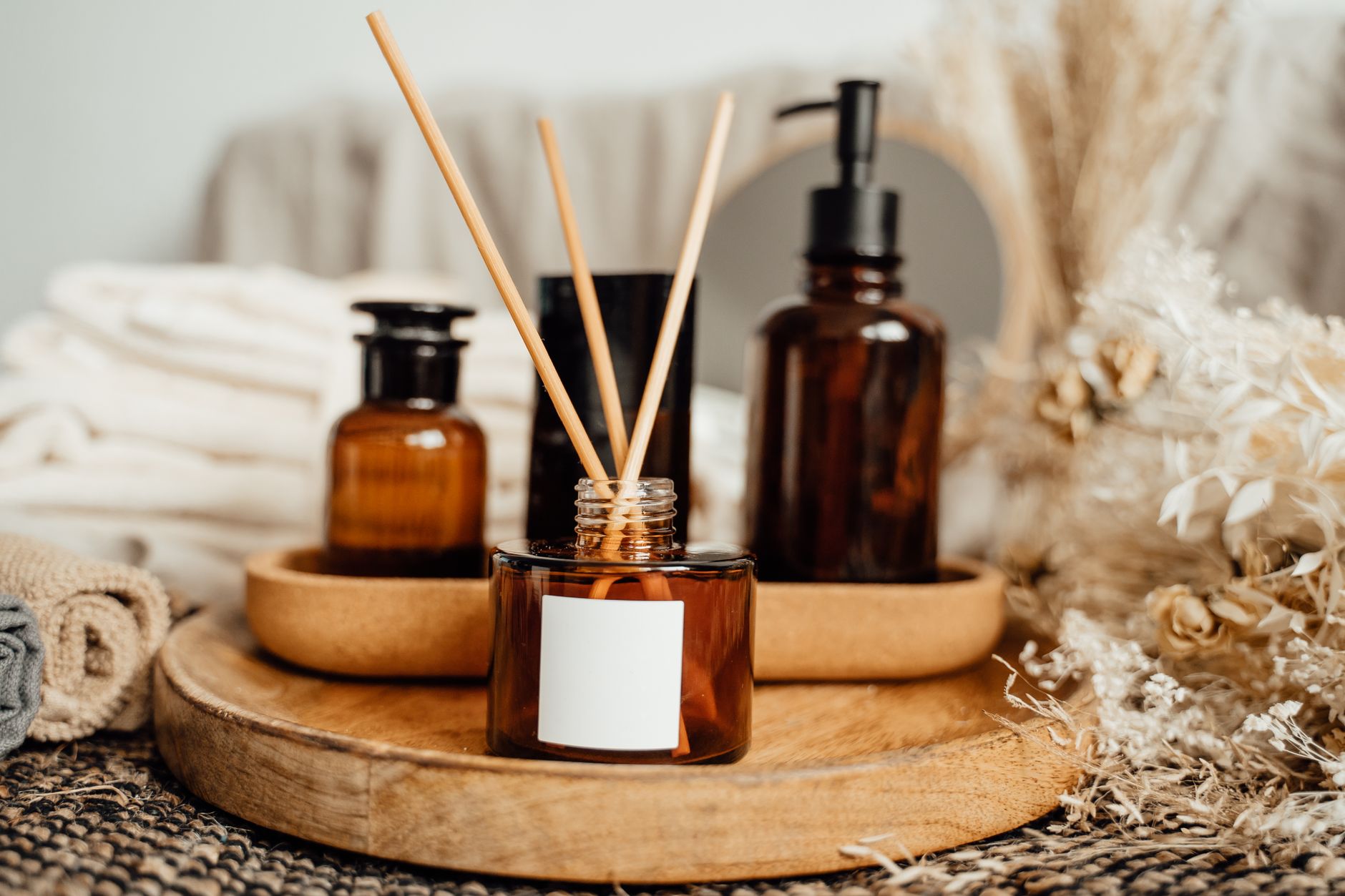
The Physics of the Micro-Climate
The problem with modern sleep is that we have essentially created desert-like conditions in our bedrooms. Most of us live in climate-controlled homes where HVAC systems strip the moisture from the air. In the winter, the relative humidity in a typical bedroom can drop below 20%. To put that in perspective, the Sahara Desert averages about 25%. We are essentially trying to recover and heal in an environment that is harsher than the desert.
Respiratory Health in Desert-Like Bedrooms
When the air is that dry, your body goes into a state of low-level physiological stress. Your nasal passages dry out. Your throat becomes scratchy. Your skin begins to lose moisture at an accelerated rate. But here is the counter-intuitive part: your brain interprets this dryness as a threat. The nociceptors—the pain-sensing neurons in your respiratory tract—fire off signals to the brain that the environment is hostile. You don’t wake up, but you don’t drop into deep sleep either. You hover in the shallows of rest, wondering why you feel tired the next morning.
This is where the essential oil diffuser and the humidifier come in. They aren't just gadgets; they are climate-management tools. By introducing moisture back into the air, you are signaling to your nervous system that the environment is safe for restoration. If you are a light sleeper, you might find that the 2.5L Quiet Humidifier is the difference between five hours of interrupted sleep and eight hours of deep, restorative rest.

The Limbic Shortcut: Why Aromatherapy Works
We have a tendency to dismiss aromatherapy as something "extra," something purely for the spa. But the biology of scent is far more direct than any other sense. When you see a beautiful sunset, the signal has to travel through the thalamus—the brain's switchboard—before it reaches the visual cortex. It's a long process. Scent, however, has a VIP pass. The olfactory bulb is located right next to the amygdala and the hippocampus—the parts of the brain responsible for emotion and memory.
Scent and the Amygdala Connection
This is why a specific smell can instantly transport you back to your grandmother's kitchen or a childhood vacation. It is a biological shortcut to an emotional state. When you incorporate an 1.5L Wireless Humidifier & Aroma Diffuser into your nightly routine, you are essentially "anchoring" your brain. If you use lavender or cedarwood every night, your brain begins to associate that specific chemical profile with the act of shutting down. It’s Pavlovian. Eventually, the moment you smell the mist, your heart rate slows and your cortisol levels drop before your head even hits the pillow.
Related Reading: Can You Sleep With a Humidifier and Diffuser On? (Yes - Here's What Happens) or explore The Best Essential Oil Diffuser Guide for 2026.

The Particle Paradox: Not All Mists are Created Equal
Here is something most people don't know: the size of the water droplet matters just as much as the amount of water. If the droplets are too large, they simply fall to the ground and make your carpet damp. That’s not humidification; that’s just a mess. The goal is to create a fine, stable mist that can hang in the air long enough for you to breathe it in. According to research from the EPA, maintaining indoor humidity between 30% and 50% is the sweet spot for health and comfort.
The Risk of Mineral Dust and Water Purity
But there is a catch. Using tap water in a standard humidifier can sometimes lead to what scientists call "white dust." This is actually the mineral content of your tap water being pulverized into tiny particles and sent into your lungs. It’s not dangerous for most, but for those with sensitive respiratory systems, it can be an irritant. For comprehensive protection, using the 1500ml Triple Spray Humidifier with purified water ensures a clean, fine mist. This is why the water you use matters; the quality of the input determines the quality of the output.
Related Reading: Do Humidifiers Need Distilled Water? The Honest Answer (2026) and the Ultimate Guide to Ultrasonic Humidifiers.

The Circadian Connection: Humidity and Core Body Temperature
Recent research into circadian rhythms suggests that our sleep air quality does more than just protect our lungs; it helps regulate our core body temperature. For your brain to initiate sleep, your core temperature must drop by about two to three degrees Fahrenheit. In an ultra-dry room, the evaporative cooling process on your skin is inefficient and erratic. By maintaining a stable humidity level—ideally using a high-capacity device like the 3L Humidifier Diffuser—you facilitate a more natural and steady thermal decline, allowing your body to slide into deep sleep states much faster.
Creating the Ultimate Bedtime Ritual: A Step-by-Step Guide
If we want to master the art of sleep, we have to treat our bedroom like a laboratory. It is a controlled environment designed for one specific outcome. Here is how you combine aromatherapy and air quality for the ultimate result:
Optimizing Your Sleep Environment Setup
- The Pre-Sleep Saturation: Start your humidifier 30 minutes before you plan to sleep. This builds a "humidity buffer" in the room. If you’re using a device like the 1.5L Rechargeable Humidifier, set it to a medium mist to let the air stabilize.
- The Layered Scent: Don't just dump oils in. Think about the profile. Start with a base of something grounding like sandalwood, then add a drop of something light like bergamot. The complexity of the scent keeps the brain from "tuning it out" (a phenomenon known as olfactory fatigue).
- The Sensory Blackout: While your air is being optimized, your eyes need total darkness to trigger melatonin production. This is the physiological counterpart to the scent work. Combining the right air with a 3D Contoured Sleep Mask creates a complete sensory deprivation experience.
- The Consistency Loop: Do the exact same thing every night. Even the sound of the mist—that soft, rhythmic hum—becomes part of the sleep signal.
"The goal of a bedtime ritual isn't just to relax; it's to signal to the primitive brain that the day is over and the environment is safe."
The Conclusion of the Night
We spend a third of our lives asleep, and yet we treat the air we breathe during those hours as an afterthought. We assume that because we can’t see it, it doesn’t matter. But the science of the olfactory paradox proves otherwise. By merging the physiological benefits of moisture with the neurological power of scent, you aren't just "buying a humidifier." You are upgrading the very medium in which your brain repairs itself.
Think of it as the ultimate competitive advantage. While everyone else is waking up parched and groggy, you are waking up in a micro-climate designed specifically for your biology. It’s not just about sleeping better. It’s about breathing better. And when you breathe better, you live better. It’s as simple, and as complicated, as that.
FAQ
Can I use any essential oil in a humidifier?
Not necessarily. Traditional humidifiers are often made of plastics that can be degraded by the potent compounds in essential oils. You should only use oils in a device explicitly labeled as an essential oil diffuser or "aromatherapy compatible." Using oils in a standard unit can crack the tank and void your warranty.
How often should I clean my humidifier-diffuser?
Consistency is key here. Because these devices use water, they can become breeding grounds for bacteria if left sitting. A quick rinse every day and a deep clean with vinegar once a week is the gold standard for maintaining air purity and high sleep air quality.
Is it better to use a warm or cool mist for sleep?
For most people, cool mist is the winner. It is safer (no heating element), uses less energy, and is generally more comfortable for the nasal passages during the night. Warm mist can sometimes make a room feel stuffy, which is the opposite of the "cool sleep" environment recommended by most sleep experts like those at the National Sleep Foundation.
How many drops of essential oil should I use?
Less is more. For a standard 1.5L or 2L tank, 3-5 drops of high-quality oil are usually sufficient. Remember, the goal of your bedtime ritual is a subtle background presence, not an overwhelming fragrance that might trigger a headache.
Does humidity help with snoring?
Yes, significantly. When the throat and nasal passages are hydrated, they are more supple and less prone to the vibrations that cause snoring. Improving your sleep air quality is often the first non-medical recommendation for mild snoring issues.